La Fallacia del Calamaro è il nome che do a una specifica tattica retorica: l’uso di una discussione lunga, complessa o oscura come mezzo per nascondere le fallacie che vi sono incorporate. Richard Whately la formulò nel 1826: «Una fallacia che, se esposta in modo nudo e crudo, non ingannerebbe un bambino in poche frasi, può ingannare mezzo mondo se diluita in un volume in quarto». Come il calamaro che rilascia inchiostro per sfuggire a un predatore, il ragionatore fallace rilascia una nube di parole per impedire l’esame critico. Più l’argomento è elaborato, più diventa difficile individuare il punto preciso in cui il ragionamento va storto.
The Squid Fallacy is my name for a specific rhetorical tactic: the use of a long, complex, or obscure discussion as a way to hide the fallacies embedded within it. Richard Whately articulated this in 1826: "A fallacy which when stated barely, would not deceive a child, in a few sentences, may deceive half the world, if diluted in a quarto volume." Like the squid that releases ink to escape a predator, the fallacious reasoner releases a cloud of words to prevent scrutiny. The more elaborate the argument, the harder it is to identify the specific point at which the reasoning goes wrong.
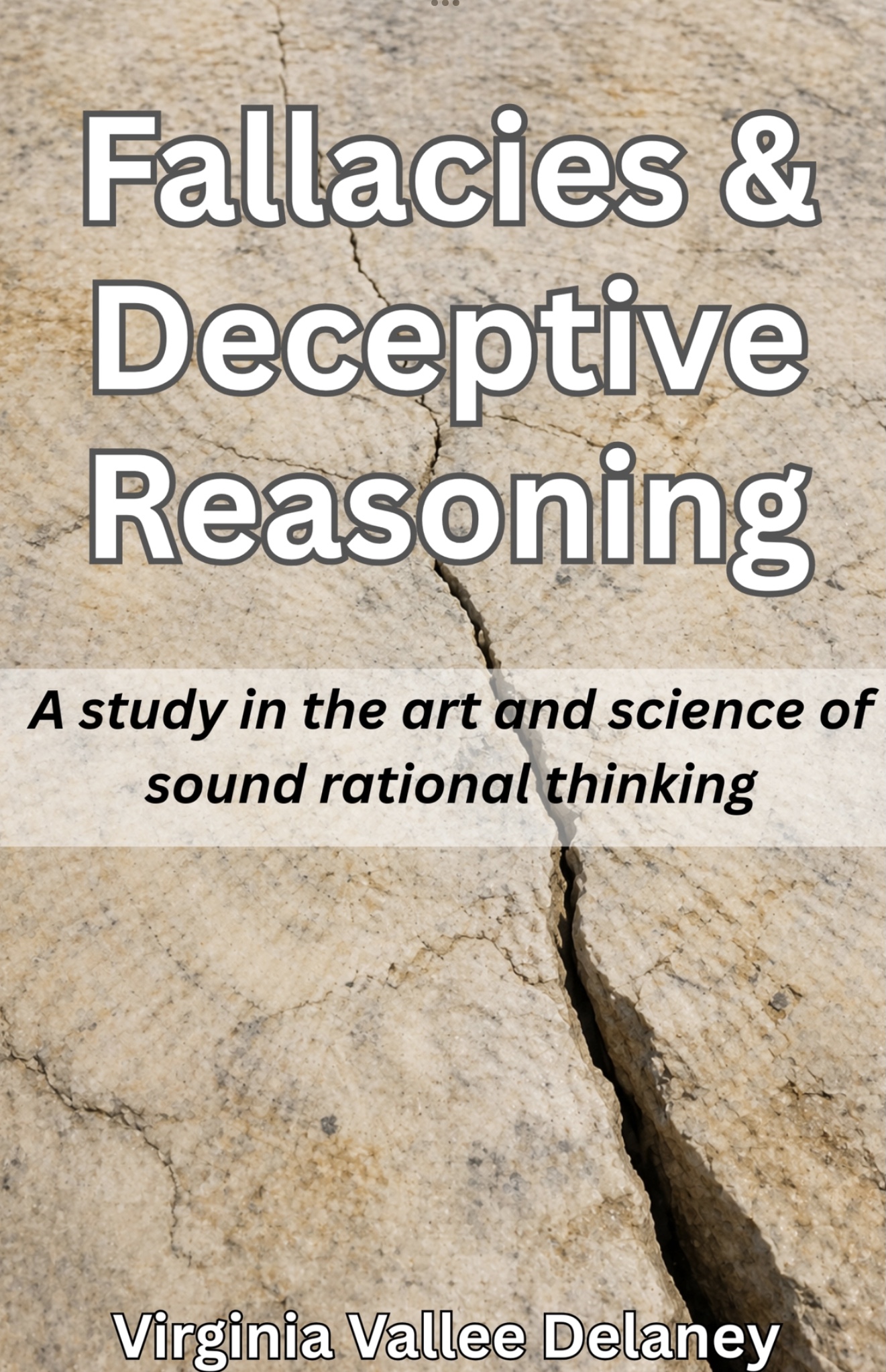
Fallacies & Deceptive Reasoning by Virginia Vallee Delaney